Building an Acne-Fighting Skincare Routine: From PanOxyl to The Ordinary Acne Set
If you've been navigating the world of acne-prone skincare, you already know how overwhelming the options can be. From benzoyl peroxide washes to multi-step serum systems, building a routine that addresses breakouts while also supporting overall skin health takes some thoughtful planning. In this guide, we walk through how to approach an effective acne-fighting routine — and highlight a standout product that may help address both blemishes and early signs of aging at the same time.
Understanding Acne-Prone Skin
Acne-prone skin tends to be more reactive, often producing excess sebum that can clog pores and lead to breakouts. At the same time, many people dealing with acne are also concerned about uneven skin tone, post-blemish marks, and the early signs of aging. This dual concern has led to a growing demand for products that can do more than just target active blemishes — formulas that also support smoother texture and a more even complexion.
A well-rounded acne routine typically includes a gentle cleanser, an active treatment step, a targeted serum, and a non-comedogenic moisturizer. The key is finding products that work together without over-stripping the skin or causing unnecessary irritation.
The Role of a Targeted Serum in Your Routine
Serums are often the most potent step in any skincare routine. For acne-prone skin, a well-formulated serum may help address multiple concerns at once — from supporting clearer-looking skin to promoting a more even tone and smoother texture. This is especially valuable for those who want to streamline their routine without sacrificing results.
One option worth considering for this step is the iS CLINICAL Active Serum, a face serum formulated specifically with acne-prone and aging skin concerns in mind.
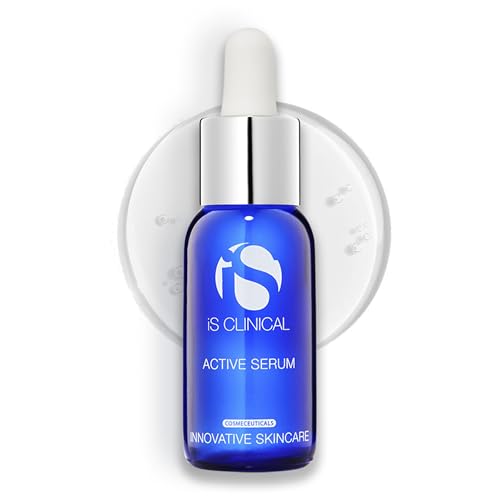
The iS CLINICAL Active Serum is formulated to address acne-prone skin while also supporting anti-aging goals — making it a versatile addition to a multi-concern routine. Many users report improvements in skin texture, tone, and the appearance of blemishes over time. It is often used for those who want a single serum step that works across several skin concerns simultaneously.
How to Layer This Into a Full Acne Routine
Building a complete acne-fighting routine involves more than just one product. Here's a general framework that many skincare enthusiasts find helpful:
- Step 1 – Cleanser: A gentle, non-stripping cleanser or an active cleanser (such as one containing benzoyl peroxide) may help reduce surface bacteria and excess oil without disrupting the skin barrier.
- Step 2 – Toner or Exfoliant: A gentle chemical exfoliant, such as a low-percentage salicylic acid or glycolic acid toner, may help keep pores clear and support cell turnover.
- Step 3 – Active Serum: This is where a targeted serum like the iS CLINICAL Active Serum fits in. Applied after cleansing and toning, a serum can deliver concentrated actives to support clearer, more even-toned skin.
- Step 4 – Moisturizer: Even oily and acne-prone skin benefits from hydration. A lightweight, non-comedogenic moisturizer helps maintain the skin barrier without contributing to clogged pores.
- Step 5 – SPF (AM only): Sun protection is essential, especially when using active ingredients. A broad-spectrum SPF helps protect against UV damage and prevents post-blemish marks from darkening.
Tips for Getting the Most From Your Acne Routine
Consistency is one of the most important factors in any skincare routine. Most active ingredients need several weeks of regular use before visible improvements may be noticed. It's also worth introducing new products one at a time to help identify how your skin responds to each addition.
Those with sensitive or reactive skin may find it helpful to start with a lower frequency of application for stronger actives, gradually increasing use as the skin adjusts. Patch testing new products before full-face application is also a commonly recommended practice.
If you're combining multiple active ingredients — such as benzoyl peroxide, retinol, or exfoliating acids — be mindful of potential interactions. Some combinations may be too strong for daily use, and alternating them on different days or times of day may be a more suitable approach for some skin types.
Frequently Asked Questions
The iS CLINICAL Active Serum is formulated for acne-prone skin, but individual skin responses vary. Those with sensitive skin may want to patch test first and introduce the serum gradually. Consulting a dermatologist before adding new actives to your routine is always a good idea.Is the iS CLINICAL Active Serum suitable for sensitive acne-prone skin?
Many people do incorporate a serum after a benzoyl peroxide cleanser in their routine. However, layering multiple actives can sometimes cause irritation. It's generally recommended to introduce products one at a time and monitor how your skin responds before combining several active steps.Can I use a serum alongside a benzoyl peroxide cleanser?
Most skincare experts suggest allowing at least four to six weeks of consistent use before evaluating the results of a new serum. Skin cell turnover takes time, and many active ingredients work gradually to support visible improvements in tone and texture.How long does it typically take to see results from an acne serum?
Yes — moisturizing remains an important step even for acne-prone skin. A lightweight, non-comedogenic moisturizer helps maintain the skin's barrier function, which may actually support a clearer complexion by keeping skin balanced and less reactive.Do I still need a moisturizer if I use an active serum for acne-prone skin?
Products described as anti-aging for acne-prone skin are typically formulated to address both concerns simultaneously — targeting blemishes and uneven tone while also supporting skin texture and firmness. These formulas aim to avoid heavy or pore-clogging ingredients that could worsen breakouts.What does "anti-aging for acne-prone skin" mean in a product formulation?