How to Build a Barrier-Repair Routine with BYOMA Skincare
If your skin has been feeling tight, dry, reactive, or just generally unhappy, chances are your skin barrier may need some extra attention. The skin barrier — the outermost layer of your skin — acts as a protective shield, keeping moisture in and environmental aggressors out. When it becomes compromised, the results can include sensitivity, redness, flakiness, and a dull complexion. The good news? A thoughtful, targeted routine focused on barrier repair may help your skin feel more comfortable and balanced over time.
BYOMA has quickly become a go-to brand for those interested in barrier-focused skincare. Their formulations are built around a tribiome complex designed to support the skin's natural microbiome and lipid barrier. In this guide, we'll walk you through how to build a simple, effective barrier-repair routine — step by step — using BYOMA products alongside a complementary option for those who want extra soothing support.
Understanding the Skin Barrier
Before diving into product recommendations, it helps to understand what the skin barrier actually is. Think of it like a brick wall: skin cells are the bricks, and lipids — including ceramides, fatty acids, and cholesterol — are the mortar that holds everything together. When this structure is intact, skin stays hydrated and protected. When it's disrupted — by over-exfoliation, harsh cleansers, environmental stress, or simply genetics — moisture escapes and irritants get in.
A barrier-repair routine focuses on replenishing those essential lipids, locking in hydration, and giving your skin the calm, nourishing environment it needs to function at its best.
Step 1: Start with a Gentle Cleanse
The foundation of any barrier-repair routine is a gentle, low-pH cleanser that removes impurities without stripping the skin. Avoid foaming cleansers with sulphates, which can disrupt the skin's natural lipid balance. Look for cream or gel cleansers formulated for sensitive or compromised skin. Cleansing with lukewarm — not hot — water is also a small but meaningful habit that may help preserve your barrier over time.
Step 2: Apply a Hydrating Serum or Treatment Oil
After cleansing, your skin is primed to absorb active ingredients. This is the ideal moment to introduce a nourishing facial oil or serum rich in barrier-supportive ingredients. The BYOMA Hydrating Recovery Oil is formulated with squalane and jojoba oil — two ingredients well-regarded in skincare for their ability to replenish and soften the skin without feeling heavy or greasy. Squalane, in particular, is known for closely mimicking the skin's own natural sebum, making it suitable for a wide range of skin types. Seabuckthorn adds a boost of antioxidants that many users find contributes to a more radiant-looking complexion over time.
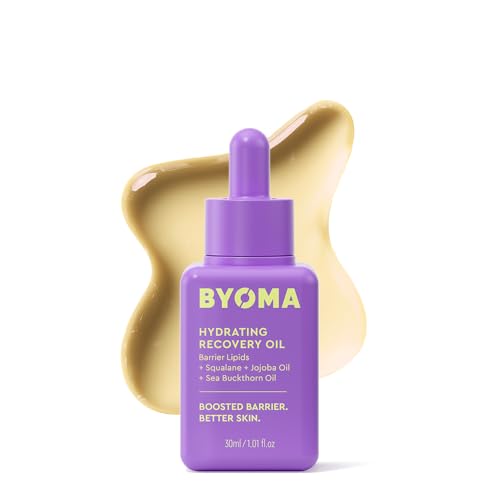
Key ingredients: Squalane, Jojoba Oil, Barrier Repair, Radiant Skin
Shop on Amazon
To use a facial oil like this, warm a few drops between your palms and gently press into the skin rather than rubbing. This technique may help the oil absorb more evenly and feel more comfortable on sensitised skin. Many users report that consistent use of squalane-based oils leaves their skin feeling noticeably softer and more supple within a few weeks.
Step 3: Seal with a Barrier Balm
Once your treatment oil has had a moment to absorb, it's time to lock everything in with a rich, occlusive or semi-occlusive balm. This step is especially important for those dealing with very dry or reactive skin, as it helps prevent transepidermal water loss — the process by which moisture evaporates from the skin's surface.
While BYOMA is the star of this routine, pairing their recovery oil with a trusted barrier balm can take your routine to the next level. The La Roche-Posay Cicaplast Balm B5 is a widely loved option formulated with Centella Asiatica, Panthenol (Vitamin B5), and Shea Butter. Centella Asiatica is an ingredient many skincare enthusiasts turn to for its soothing properties, while Panthenol is known for its ability to support the skin's moisture retention. The formula is also noted as being baby safe, which speaks to its gentle nature and suitability for even the most sensitive skin types.
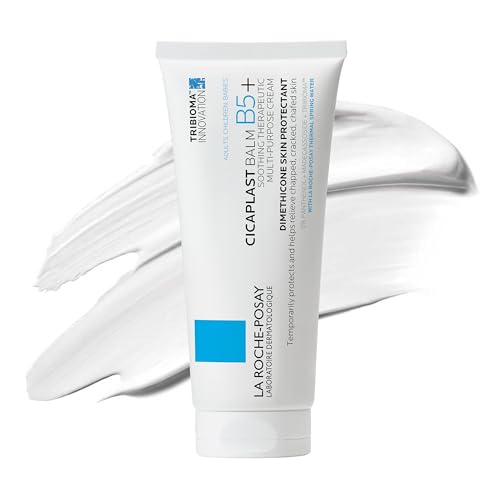
Key ingredients: Centella Asiatica, Shea Butter, Panthenol, Barrier Repair, Baby Safe
Shop on Amazon
Apply a small amount of the balm as the final step in your evening routine, focusing on any particularly dry or irritated areas. In the morning, a lightweight moisturiser with SPF can take its place, as sun protection is a non-negotiable part of any healthy skin routine.
Additional Tips for a Successful Barrier-Repair Routine
- Simplify your routine: When your barrier is compromised, less is often more. Pare back to the essentials — cleanse, treat, moisturise, and protect.
- Avoid active ingredients temporarily: Retinoids, strong exfoliating acids, and vitamin C can be reintroduced once your barrier feels more stable. Some find that taking a short break from these helps their skin recover more comfortably.
- Stay consistent: Barrier repair takes time. Many users report seeing noticeable improvements after two to four weeks of consistent, gentle care.
- Protect from the sun: UV exposure can further compromise a weakened barrier, so daily SPF is especially important during a repair phase.
- Stay hydrated: While topical products play a key role, overall hydration and a balanced diet may also support your skin's health from within.
Frequently Asked Questions
The timeline varies from person to person, but many users report noticing improvements in skin comfort and texture within two to four weeks of following a consistent, gentle barrier-focused routine. More significant changes may take longer, depending on the degree of barrier disruption and individual skin factors.How long does it take to repair a damaged skin barrier?
Squalane and jojoba oil are generally considered non-comedogenic and are often well-tolerated by a variety of skin types, including oily and combination skin. However, individual skin responses vary, so some find it helpful to patch test any new product before incorporating it into their full routine.Can I use the BYOMA Hydrating Recovery Oil if I have oily or acne-prone skin?
The Cicaplast Balm B5 is formulated to be gentle enough for regular use and is noted as being baby safe, which reflects its mild formulation. Many people use it as a daily moisturiser or as a targeted treatment for dry, irritated areas. As with any product, it's a good idea to patch test first if you have particularly sensitive skin.Is the La Roche-Posay Cicaplast Balm B5 suitable for everyday use?
Facial oils are generally applied after water-based serums and moisturisers, as they help seal in the hydration from those layers. However, lighter oils like squalane can sometimes be layered underneath a balm or richer moisturiser. Following the product's instructions and observing how your skin responds is the best guide.Should I apply facial oil before or after moisturiser?
Yes, these two products may complement each other well. A common approach is to apply the BYOMA Hydrating Recovery Oil first to deliver nourishing lipids and antioxidants, then follow with the Cicaplast Balm B5 to lock in moisture and provide an additional layer of soothing, protective care. Always listen to your skin and adjust layering as needed.Can I use both the BYOMA Recovery Oil and the La Roche-Posay Cicaplast Balm in the same routine?