Body Care Essentials: Best Lotions, Oils, and Healing Ointments
Taking care of the skin on your body is just as important as caring for your face. From the tips of your fingers to the soles of your feet, your skin faces daily challenges — harsh weather, frequent handwashing, friction, and environmental stressors can all leave it feeling dry, tight, or uncomfortable. Building a solid body care routine with the right products may help keep your skin feeling soft, nourished, and protected throughout the year.
In this guide, we explore the essentials of a good body care routine and highlight a trusted product that many people reach for when their skin needs a little extra attention.
Why Body Skin Care Matters
The skin is the body's largest organ, and it works hard every single day. Body skin, particularly on the hands, elbows, knees, and feet, tends to be thicker and more prone to dryness than facial skin. This is partly because these areas have fewer oil glands and are exposed to more friction and environmental wear. Neglecting body skin can lead to uncomfortable dryness, flakiness, and rough patches that become harder to address over time.
A consistent routine that includes moisturizing and protecting the skin may help maintain its natural barrier function, keeping moisture in and irritants out. Whether you prefer lightweight lotions, nourishing body oils, or intensive ointments, finding the right product for your skin's needs is key.
Choosing the Right Body Care Product
Not all moisturizers are created equal. Understanding the difference between lotions, creams, and ointments can help you make a more informed choice:
- Lotions are water-based and lightweight, making them suitable for everyday use on normal to slightly dry skin. They absorb quickly and are easy to apply all over the body.
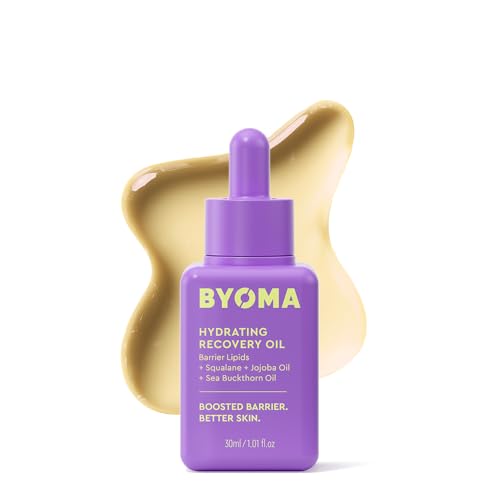
- Body oils are often used to add a layer of nourishment and may be particularly appealing for those who prefer a more natural feel. They can be layered over a lotion or applied to damp skin after a shower.
- Healing ointments are typically thicker and more occlusive, meaning they form a protective barrier over the skin. These are often best suited for areas that are particularly dry, cracked, or in need of extra protection.
When selecting a product, consider your skin type, the specific areas you want to target, and how much time you have in your routine. Some people find that using a lighter lotion daily and reaching for a richer ointment as needed works well for their lifestyle.
A Trusted Multi-Purpose Healing Ointment
For those dealing with particularly dry or cracked skin, a multi-purpose healing ointment is often a go-to solution. The Aquaphor Healing Ointment Advanced Therapy Skin Protectant is a well-known name in the world of body care. Formulated to address dry skin, cracked skin, and general skin protection needs, this ointment is often used on everything from chapped lips to rough elbows and heels.

The 14oz jar is a generous size that many households find practical for regular use. Its thick, occlusive texture creates a protective layer over the skin, which may help lock in moisture and support the skin's natural recovery process. Many users report reaching for this ointment during winter months when skin tends to feel its driest, as well as after activities that put extra stress on the hands and feet.
Because it is formulated as a multi-purpose product, it is often used not just on the body but also on the face for particularly dry patches, minor skin irritations, or as an overnight lip treatment. Its versatility makes it a popular choice for families looking to simplify their medicine cabinet.
Tips for Getting the Most Out of Your Body Care Routine
No matter which products you choose, a few simple habits may help maximise their effectiveness:
- Apply moisturizer to damp skin. After a shower or bath, pat your skin dry gently and apply your lotion or ointment while your skin is still slightly damp. This may help seal in additional moisture.
- Don't forget the extremities. Hands, feet, elbows, and knees are often the driest areas and benefit from extra attention. Consider applying a richer ointment to these areas before bed and wearing cotton socks or gloves overnight.
- Stay consistent. Moisturizing once in a while may offer temporary relief, but a daily routine is generally more effective for maintaining soft, comfortable skin over time.
- Adjust with the seasons. Your skin's needs may change with the weather. Many people find they need richer, more intensive products during colder months and lighter formulas in summer.
- Drink water. Topical products work best when your skin is hydrated from the inside out. Staying well-hydrated supports overall skin health.
Building Your Body Care Toolkit
A well-rounded body care routine doesn't have to be complicated or expensive. Starting with a reliable, multi-purpose product like the Aquaphor Healing Ointment gives you a solid foundation to address dryness and skin protection needs. From there, you can layer in additional products — such as a daily body lotion or a nourishing oil — based on your personal preferences and skin concerns.
The most important thing is to listen to your skin and respond to what it needs. With a little consistency and the right products, many people find that their skin feels noticeably more comfortable and resilient throughout the year.
Frequently Asked Questions
Healing ointments are typically thicker and more occlusive than regular body lotions. They form a protective barrier over the skin that may help lock in moisture and shield the skin from external irritants. Regular body lotions tend to be lighter and water-based, making them easier to spread and faster to absorb, but they may not provide the same level of intensive moisture retention as an ointment.What is the difference between a healing ointment and a regular body lotion?
Many people do use Aquaphor Healing Ointment on the face, particularly on very dry patches, chapped lips, or areas that need extra protection. However, everyone's skin is different, and some individuals with oily or acne-prone skin may find heavy ointments feel too rich for facial use. It is always a good idea to patch test any new product and consult a dermatologist if you have specific skin concerns.Can I use Aquaphor Healing Ointment on my face as well as my body?
Many users find that applying a healing ointment at night is particularly effective, as the skin goes through a natural repair process during sleep. Applying it to clean, slightly damp skin after a shower and before bed — especially on dry areas like heels, elbows, and hands — may help maximise its moisturising benefits. Some people also use it as needed throughout the day on particularly dry or irritated spots.When is the best time to apply a healing ointment?
The best choice depends on your skin type and specific needs. Lightweight lotions are generally suitable for everyday use on normal to mildly dry skin. Body oils may appeal to those who prefer a natural, nourishing feel and work well on damp skin after bathing. Ointments are typically best for areas of significant dryness, cracking, or where a protective barrier is needed. Many people use a combination — a daily lotion for general moisture and an ointment for targeted problem areas.How do I choose between a lotion, oil, and ointment for my body care routine?
Products like Aquaphor Healing Ointment are often considered suitable for sensitive skin, and many users with sensitive skin report tolerating them well. However, individual reactions can vary. If you have known allergies or very reactive skin, it is wise to check the ingredient list carefully and perform a patch test before applying any new product to a large area. A dermatologist can offer personalised guidance if you have ongoing skin sensitivities.Is it safe to use healing ointments on sensitive skin?