The Ordinary Skincare Guide: Best Serums for Every Skin Type
Serums are lightweight, concentrated formulations designed to deliver potent active ingredients directly to your skin. Unlike heavier creams and moisturizers, serums penetrate quickly and work synergistically with your existing skincare routine. Whether you're dealing with dryness, sensitivity, or signs of aging, the right serum can transform your complexion and address your specific skin concerns.
Choosing the right serum depends on understanding your skin type and identifying which ingredients will benefit you most. This guide explores some of the best serum options available and how to incorporate them into your daily skincare regimen.
Understanding Serums and Their Role in Skincare
Serums are formulated with smaller molecular structures than creams, allowing them to penetrate deeper into the skin's layers. They typically contain higher concentrations of active ingredients such as vitamins, antioxidants, and hydrating compounds. Because of their lightweight nature, serums work well as layering products—applied after cleansing but before moisturizer—making them an essential step for many skincare routines.
The key to maximizing serum benefits is selecting formulations tailored to your skin's unique needs. Different serums target different concerns, from hydration and firmness to sensitivity and oil control.
Best Serums for Sensitive Skin
If you have sensitive skin, you need serums that calm and soothe rather than irritate. Look for formulations free from fragrance, alcohol, and harsh actives. Hydrating serums with gentle, skin-conditioning ingredients are ideal for protecting your skin barrier.
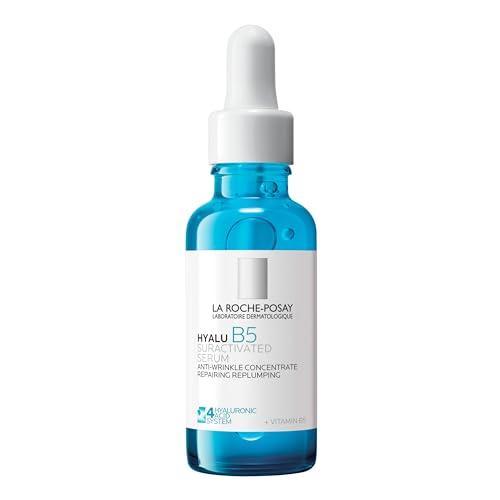
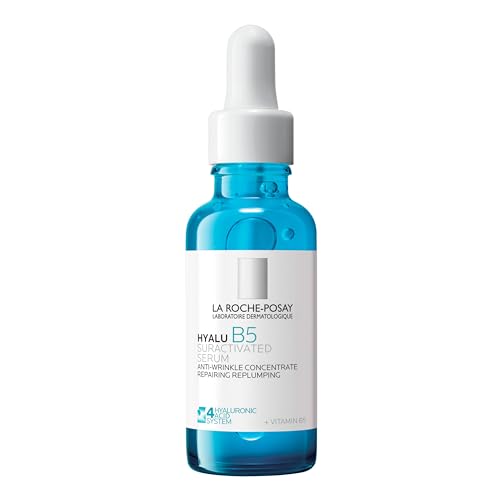
La Roche-Posay Hyalu B5 Pure Hyaluronic Acid Serum is formulated with two types of hyaluronic acid and vitamin B5, making it an excellent choice for sensitive, dehydrated skin. This oil-free serum is known for its ability to provide deep hydration without triggering irritation. Many users report that the lightweight texture absorbs quickly, leaving skin feeling plump and refreshed. The combination of hyaluronic acid and vitamin B5 may help support the skin barrier while delivering lasting moisture.
Key Ingredients to Look For in Serums
Understanding which ingredients address your concerns helps you select the most effective serum for your needs:
- Hyaluronic Acid: A humectant that draws moisture into the skin, hyaluronic acid is suitable for all skin types and may help plump fine lines and improve hydration.
- Vitamin B5 (Panthenol): Known for its soothing and moisturizing properties, vitamin B5 may help calm irritation and strengthen the skin barrier.
- Niacinamide: This form of vitamin B3 is often used for balancing oil production and may help minimize pores.
- Vitamin C: An antioxidant that may help brighten skin and support collagen production, though it requires careful formulation for stability.
- Peptides: These amino acid chains are formulated to support skin firmness and may help reduce the appearance of fine lines.
How to Incorporate Serums Into Your Routine
The order of application matters when layering skincare products. Apply serums after cleansing and toning, but before heavier moisturizers and oils. This sequence allows the serum's active ingredients to penetrate effectively without being blocked by heavier formulations.
Start with a few drops of serum, warming it between your palms, then gently press it into your skin. Avoid rubbing or tugging, as this can cause irritation. Allow the serum to absorb for a minute or two before applying your next product.
Choosing the Right Serum for Your Skin Type
Different skin types benefit from different serum formulations. Dry skin typically benefits from hydrating serums rich in humectants and emollients, while oily skin may prefer lightweight, oil-free serums with balancing ingredients. Combination skin often does well with serums that hydrate without adding excess oil, such as those featuring hyaluronic acid and vitamin B5.
Sensitive skin requires gentle, fragrance-free formulations with soothing ingredients. Mature skin may benefit from serums containing peptides, antioxidants, and hydrating compounds to address multiple aging concerns simultaneously.
Maximizing Your Serum's Effectiveness
To get the most from your serum, consistency is key. Use your chosen serum morning and evening as part of your regular routine. Results typically become more noticeable after several weeks of consistent use, as serums work gradually to improve skin texture and appearance.
Store serums in a cool, dark place away from direct sunlight, as many active ingredients can degrade when exposed to light and heat. If you're introducing a new serum, patch test it on a small area first, especially if you have sensitive skin.
Final Thoughts
Serums are powerful tools for addressing specific skincare concerns and enhancing your overall complexion. By selecting a serum formulated for your skin type and concerns, you can support your skin's health and appearance. Whether you're seeking hydration, soothing relief, or anti-aging benefits, there's a serum designed to meet your needs. Remember that skincare is personal—what works beautifully for one person may differ for another, so patience and observation are essential as you find your ideal match.